
- Understanding Expert International SEO Strategies
- Strategy 1: Choose the Right Website Structure
- Strategy 2: Master Hreflang Implementation
- Strategy 3: Conduct Local Keyword Research
- Strategy 4: Create Culturally Relevant Content
- Strategy 5: Optimize Technical Infrastructure
- Strategy 6: Build Local Authority and Links
- Strategy 7: Monitor and Analyze Performance
- Common International SEO Mistakes to Avoid
- Working with Local Experts
- Future of International SEO
- Conclusion
Expanding your business globally requires more than just translating content. It involves configuring your site architecture and infrastructure to support localization while adapting content to resonate with the language, culture, and user expectations of each market you’re targeting.
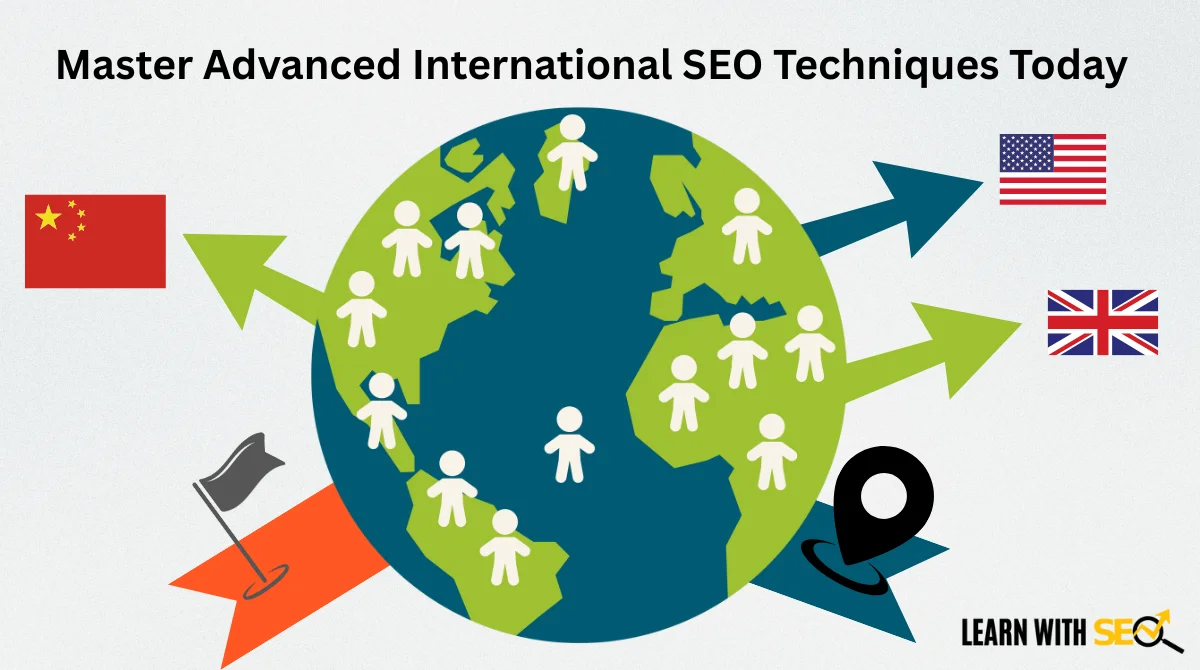
International SEO helps you reach audiences worldwide by optimizing your website for different countries and languages. The right strategy can transform your global reach and drive significant organic traffic from multiple markets.
Understanding Expert International SEO Strategies
International SEO is the practice of optimizing your website to attract traffic from multiple countries and languages. It involves strategies such as implementing hreflang tags, optimizing for local keywords, and creating region-specific content.
The key difference between regular SEO and international SEO lies in complexity. You need to consider cultural nuances, local search behavior, and technical requirements for each target market.
Strategy 1: Choose the Right Website Structure
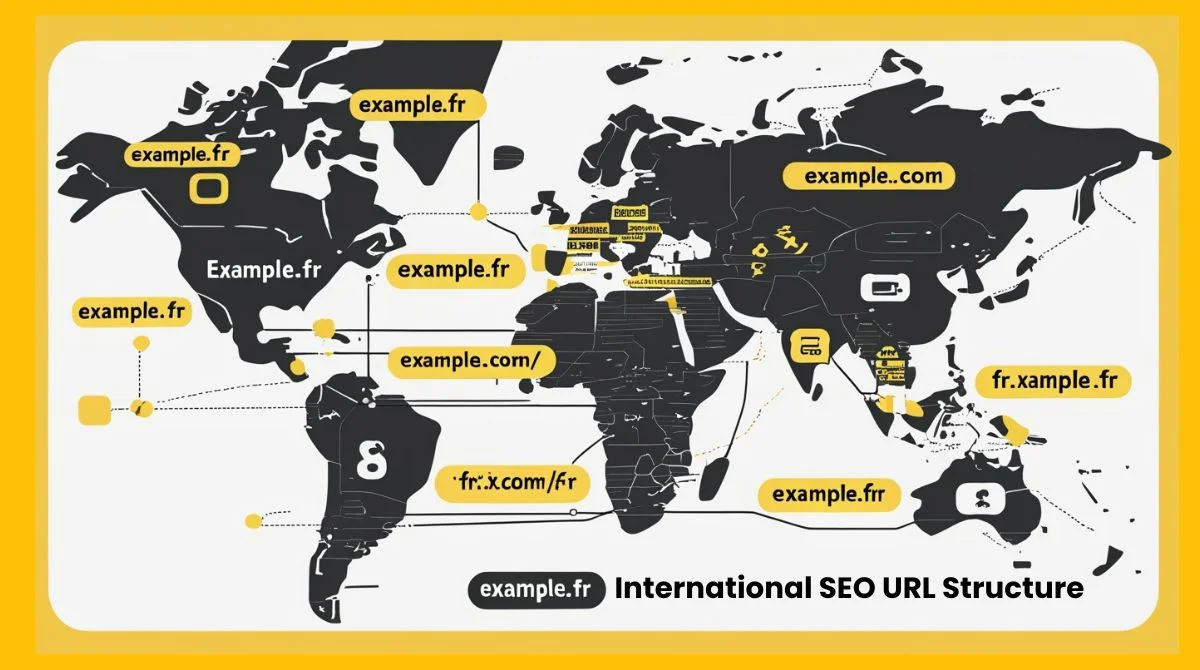
Your website structure forms the foundation of international SEO success. The structure of your international website influences it all: SEO results, crawl efficiency, localization processes, and user experience.
Three Main Structure Options:
Country Code Top-Level Domains (ccTLDs)
- Example: yoursite.fr for France.
- Strongest geo-targeting signals.
- Requires separate hosting and maintenance.
Subdomains
- Example: fr.yoursite.com.
- Good balance of authority and localization.
- Easier to manage than ccTLDs.
Subdirectories
- Example: yoursite.com/fr/.
- Inherits main domain authority.
- Simplest to implement and maintain.
Choose based on your budget, technical resources, and market priorities. Subdirectories work best for most businesses starting their international journey.

Strategy 2: Master Hreflang Implementation
Hreflang is HTML code that you can add to your website to tell various search engines which language and region a web page is meant for. Proper implementation prevents users from landing on the wrong language version of your content.
Key Hreflang Best Practices:
Use Proper ISO Codes
- Hreflang tags must include proper ISO language and region codes. Don’t specify a country code by itself.
- Combine language and country: en-US, fr-FR, es-MX.
Self-Reference Pages
- Every page needs an hreflang tag that points back to itself. This confirms the primary audience of the page and ensures search engines don’t get confused about the default version.
Place in HTML Head
- The link tags must be inside a well-formed head section of the HTML.
Common mistakes include using incorrect language codes, missing self-references, and incomplete implementation across all versions.

Strategy 3: Conduct Local Keyword Research
Generic keyword research won’t work for international markets. Each country has unique search patterns, cultural references, and language variations.
Local Keyword Research Process:
Use Native Language Tools
- Google Keyword Planner for each target country.
- Local search engines (Baidu for China, Yandex for Russia).
- Social listening tools in local languages.
Consider Cultural Context
- Seasonal differences across hemispheres.
- Local holidays and events.
- Regional slang and expressions.
Analyze Local Competitors
- Study top-ranking local websites.
- Identify content gaps and opportunities.
- Understand local user intent patterns.
Never directly translate keywords from your primary language. What works in English might not translate effectively to other markets.

Strategy 4: Create Culturally Relevant Content
Write content that feels relevant to the local culture and interests. Content localization goes beyond translation to include cultural adaptation.
Content Localization Elements:
Cultural Adaptation
- Local examples and case studies.
- Regional success stories.
- Country-specific regulations and laws.
Visual Elements
- Images featuring local people and locations.
- Colors that resonate with local preferences.
- Currency and measurement units.
Communication Style
- Formal vs. informal tone preferences.
- Direct vs. indirect communication styles.
- Local humor and references.
Remember that what appeals to audiences in one country may not work in another. Test and adapt your content based on local feedback and performance data.

Strategy 5: Optimize Technical Infrastructure
Technical optimization ensures search engines can properly crawl and index your international content. An effective international SEO strategy ensures your global audience finds the most relevant version of your website, no matter where they are.
Technical Requirements:
Server Location and CDN
- Host content closer to the target audiences.
- Use Content Delivery Networks for faster loading.
- Consider local hosting regulations.
Mobile Optimization
- Different mobile usage patterns globally.
- Varying internet speeds across regions.
- Local mobile payment preferences.
Site Speed Optimization
- Critical for emerging markets with slower connections.
- Compress images and minimize code.
- Use lazy loading for better performance.
Poor technical implementation can negate all your content efforts. Ensure your technical foundation supports your international ambitions.

Strategy 6: Build Local Authority and Links
Link-building strategies must adapt to local markets and their unique digital landscapes.
Local Link Building Tactics:
Local Directory Submissions
- Country-specific business directories.
- Industry associations in target markets.
- Local chamber of commerce listings.
Regional Content Partnerships
- Collaborate with local influencers.
- Guest posting on regional publications.
- Sponsor local events and organizations.
Local PR Outreach
- Build relationships with local journalists.
- Create newsworthy local content.
- Participate in regional industry discussions.
Each market has different authority sites and link-building opportunities. What works in the US won’t necessarily work in Germany or Japan.

Strategy 7: Monitor and Analyze Performance
Continuously review the outcomes of your international SEO strategy. If necessary, adjust them. Track keyword performance and monitor conversion rates on your website.
Key Performance Metrics:
Search Performance
- Organic traffic by country and language.
- Keyword rankings in local search results.
- Click-through rates for different regions.
User Engagement
- Bounce rates by market.
- Time on page for different languages.
- Conversion rates by country.
Technical Metrics
- Crawl errors in Search Console.
- Hreflang implementation status.
- Page load speeds by region.
Use Google Search Console’s international reports to identify issues and opportunities. Set up separate analytics views for each target market.


Common International SEO Mistakes to Avoid
Automatic Redirects Based on Location
- Let users choose their preferred language.
- Use IP detection carefully and allow overrides.
- Don’t force users into specific versions.
Duplicate Content Issues
- Implement proper hreflang tags.
- Create unique content for each market.
- Avoid lazy translation approaches.
Ignoring Local Search Engines
- Optimize for Baidu in China.
- Consider Yandex for Russia.
- Don’t forget regional players.
Working with Local Experts
Consider collaborating with local experts. When expanding into a new market, having translators, marketing partners, or web developers who understand the local language, culture, and digital habits is invaluable.
Local expertise provides insights that data alone cannot reveal. Native speakers understand cultural nuances, local competition, and user behavior patterns that outsiders might miss.
Future of International SEO
In 2025, understanding your audience and market is key to building brand authority, increasing visibility, and driving online leads or sales. Users and search engines prioritize trusted brands.
Focus on building genuine connections with local audiences rather than just translating existing content. Search engines increasingly reward authentic, locally relevant content over generic translations.
Conclusion
Expert international SEO strategies require careful planning, cultural understanding, and technical expertise. Success comes from combining proper technical implementation with genuinely localized content. Start with one or two target markets and perfect your approach before expanding further. Remember that international SEO is an ongoing process requiring regular monitoring and optimization. Start implementing these expert strategies today to dominate global search rankings and achieve stronger market penetration worldwide.