
The world is increasingly interconnected now. B2B businesses have the best time to expand their global footprint. But business expansion beyond local borders brings a unique set of challenges. Different languages and markets need different strategies. Cultural and language differences matter. Behavioral differences in each market you aspire to enter can make or break success. Many B2B companies struggle to stand out worldwide because they don’t understand or respect what makes each region work.
That’s where international B2B SEO comes in. Smart businesses effectively handle search engine optimization across different countries. Strategic approaches combine technology and cultural understanding to help brands thrive globally. A complete International SEO strategy starts with identifying target markets properly. Research reveals relevant keywords for each specific region. Quality content connects with local audiences naturally. User experience optimization increases engagement and conversion rates. Better search engine positioning brings more qualified leads. International link building strategies boost domain authority worldwide. Performance measurement keeps your entire SEO strategy on track.
What is International B2B SEO?
Most B2B companies face challenges when expanding into new global markets. A website may rank well in one region, but search engines across the world operate differently and support multiple languages. International SEO is the practice of optimizing content so it becomes relevant and accessible for users worldwide. This approach helps business owners build a strong presence across various regions. While general SEO supports local searchers effectively, international optimization ensures that each target market receives tailored, meaningful, and context-appropriate content.
Global SEO strategies open doors to sustainable international growth. An expansion plan built on proper optimization makes a brand visible in the places that matter most. Think of international B2B SEO as a passport to worldwide success. The focus remains on making business offerings resonate with diverse audiences. Every market has unique behaviors, preferences, and search patterns. True international work goes beyond translation and requires full localization. Messages are shaped to match local expectations naturally, helping businesses connect with buyers across the globe in an authentic and effective way.
Why International B2B SEO Matters for Growing Businesses?
Many B2B companies think local competitors will always dominate search results. Your B2B company wants to expand globally but faces challenges. Local market behaviors differ across regions and international markets everywhere. Investing in international SEO becomes necessary for expanding market reach successfully. Optimizing your site opens the door to new customer bases. Smart business owners adapt content for diverse audiences worldwide. Staying competitive means increasing your brand’s reach and potential revenue streams. SEO strategies that leverage regional insights help you stay ahead. Your efforts must match and exceed what works in different markets.
Building global brand authority requires more than basic SEO knowledge. Companies establish their brand’s authority through strong online presence across multiple countries. This approach builds credibility and trust with potential international clients naturally. Smart strategies help your content resonate with buyers everywhere. International SEO isn’t just nice to have anymore. Your brand must speak the local language perfectly. Not just words but understanding what each market values. Your competitors might sleep on international opportunities. But smart businesses seize them first with proper planning.
Core Components of International B2B SEO
Building international B2B SEO requires understanding core components for global growth. Strategic implementation starts with strong technical SEO and multilingual optimization. Cross-border marketing needs proper localization strategy and cultural adaptation. Search engine visibility in international markets demands regional targeting and smart geo-targeting. Global link building creates competitive advantage worldwide. Mobile optimization ensures good page speed and Core Web Vitals. Structured data captures local search intent better. B2B customers expect personalized content strategy through native speakers and quality translation services.
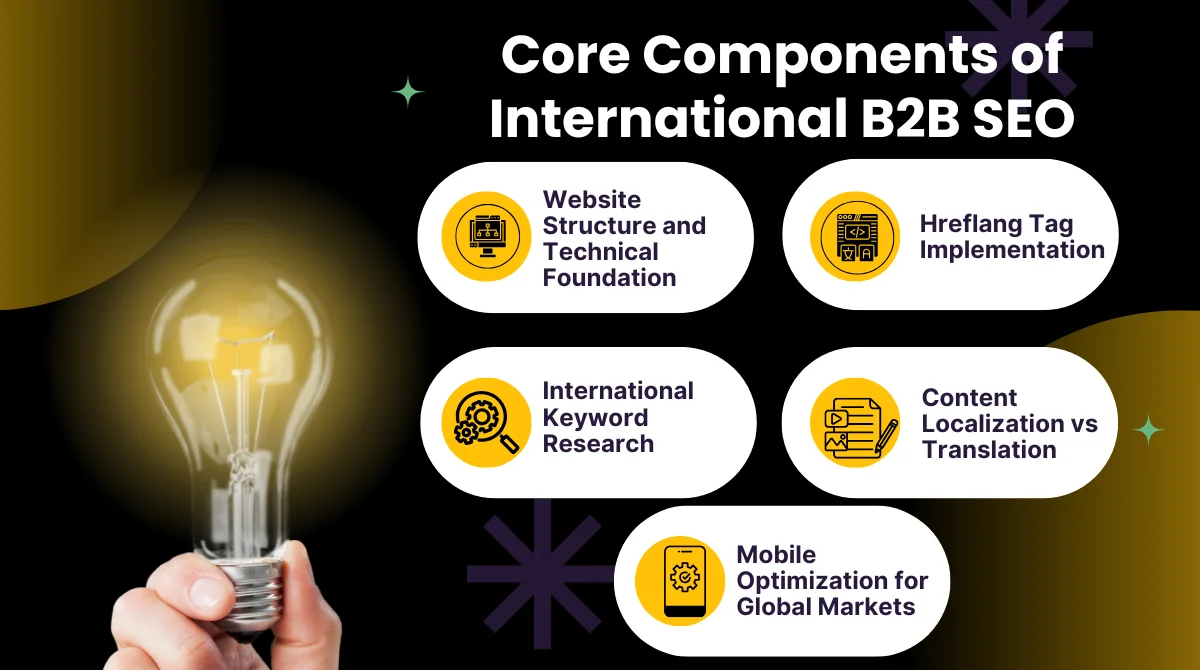
Website Structure and Technical Foundation
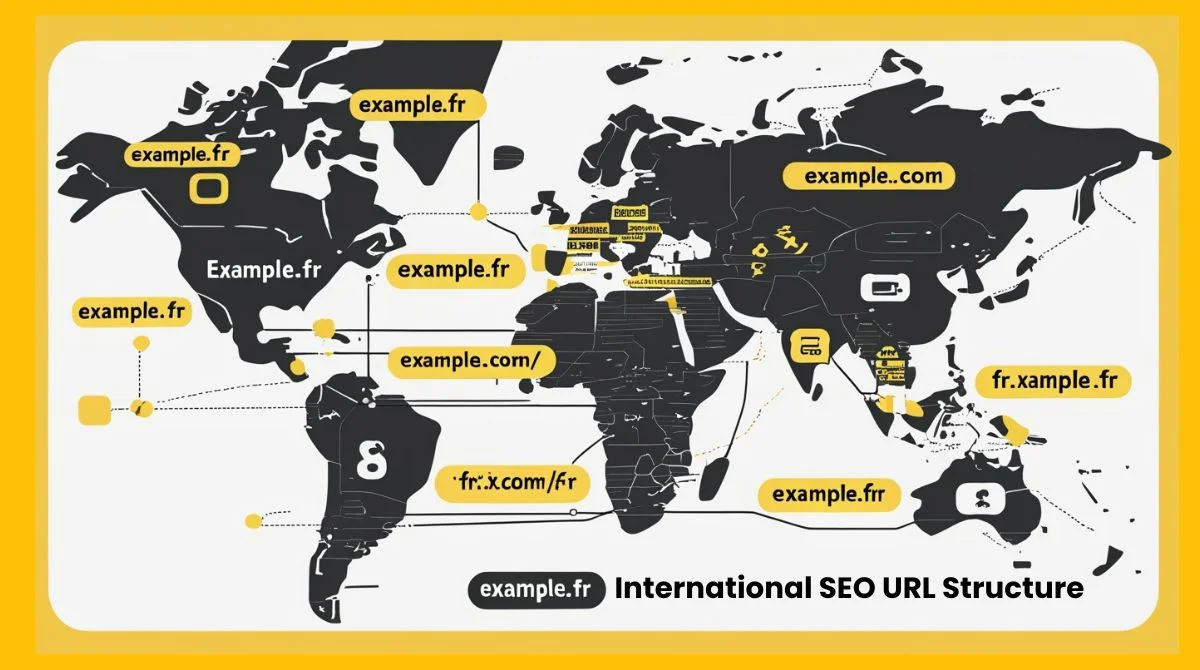
Most businesses struggle with website structuring for optimal visibility in different countries. International SEO needs proper organizing content by region and language. Companies must decide between country-code top-level domains (ccTLDs) like .fr for France. Some prefer subdirectories like abc.com/fr/ or subdomains like fr.abc.com. Search engines need clear signals about your targeting country choices. Each option has pros and cons based on resources and goals. Your primary domain structure affects your entire international presence strategy.
Hreflang Tag Implementation
Implementing hreflang tags is crucial to avoid duplicate content issues completely. These HTML tags help search engines understand which language version to display. Proper implementation shows the right page to users by location. Smart businesses indicate language and country-specific content through these language settings properly.
International Keyword Research
Keyword research forms the backbone of any SEO strategy worldwide. International SEO requires a nuanced approach for identifying relevant, high-intent search terms. Your target audience in each market uses different terms daily. The exact product gets searched differently in the U.S., U.K., and France. French-speaking Canada has unique language and cultural variations too. Smart marketers use tools like Google Keyword Planner, SEMrush, and Ahrefs effectively. Selecting keywords requires checking local search volume, competition, and user intent.
Content Localization vs Translation
Optimizing B2B SEO for international markets means more than translating content. Businesses must adapt content to meet target market cultural nuances and search preferences. Professional translation services ensure accuracy while adjusting for local customs. Your content must fit local trends, idioms, and cultural references naturally. This localization strategy helps content resonate with each local audience. The approach improves user experience and boosts your site’s relevance.
Mobile Optimization for Global Markets
Technical SEO must be optimized for international audiences on mobile devices. The global mobile browsing trend demands your site optimized for all regions. Mobile responsiveness across all markets brings major benefits of technical SEO. Smart companies focus on core components like optimizing URL structures properly. Your international sites need perfect technical capabilities for success. Local search results favor sites that invest in mobile responsiveness everywhere.
Technical SEO for International Websites
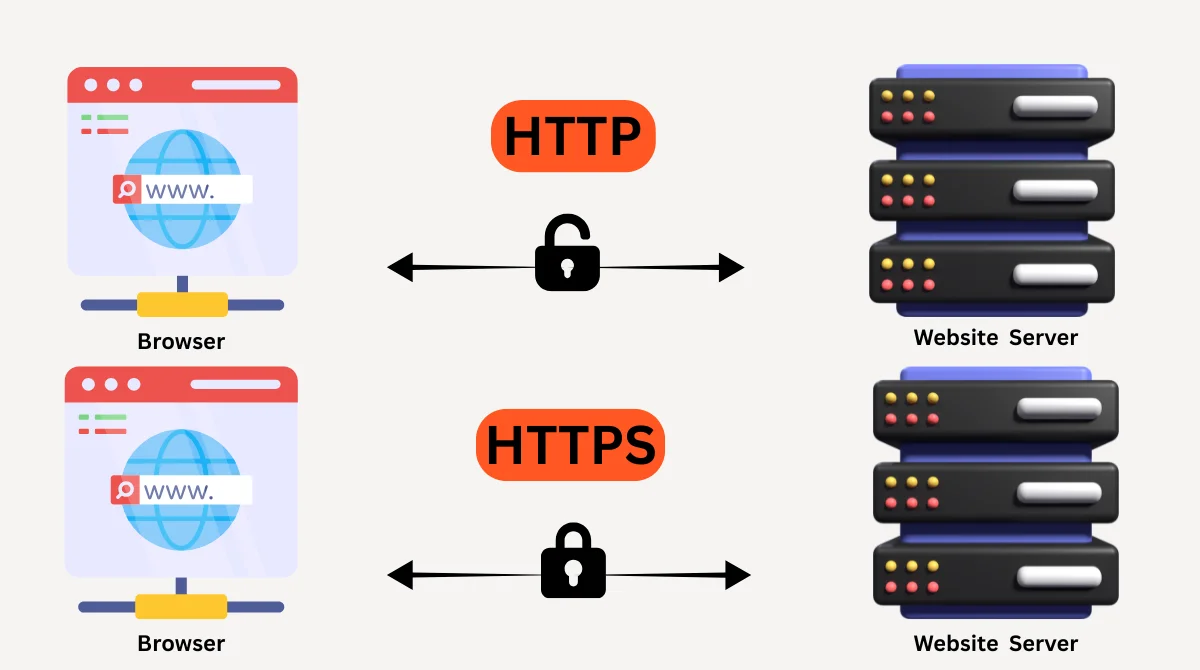
Most B2B SEO teams fail at cross-border optimization for International Websites. Technical SEO becomes complex when managing multilingual websites and international domains. Global search engines need proper technical infrastructure for website localization success. Search engine crawling and indexing optimization require structured data markup everywhere. Companies must configure XML sitemaps, robots.txt configuration, and canonical tags correctly. Mobile-first indexing and Core Web Vitals affect international ranking factors directly. HTTPS security and international schema markup boost global visibility significantly.
URL structure optimization and crawl budget management determine regional SEO strategy outcomes. Geographic targeting through Search Console setup helps geotargeting work properly. Hreflang implementation remains crucial for Global Growth 2026 targets. Smart businesses focus on server response time for better results.
Server Location and CDN Setup
Many businesses lose customers due to slow server location issues. CDN setup with Content Delivery Network solves latency reduction problems effectively. Global server distribution puts edge servers closer to your audiences. Geographic server placement through regional data centers improves loading times significantly. Cloud hosting solutions like AWS CloudFront or Cloudflare CDN work best. Your origin server needs proper DNS configuration for speed.
Caching strategies and server response time optimization make sites load faster. Smart businesses place servers where their customers browse most often. This setup helps your content reach users without delays.
International Site Architecture
International site architecture determines how businesses reach global customers effectively. URL structure choices include ccTLDs (country-code top-level domains) for targeting. The subdomains strategy offers flexibility while subdirectories approach keeps everything together. Your site hierarchy and hreflang tags placement guide search engines correctly. Multi-regional websites need smart internal linking strategy for better navigation.
Scalability planning ensures growth while content organization maintains navigation architecture cleanly. Regional targeting setup requires careful domain structure decisions from the start. Each choice affects how customers find your products globally.
Avoiding Duplicate Content Issues
Duplicate content issues hurt rankings when expanding to new markets. Canonical tags implementation tells search engines which version matters most. Hreflang annotations and self-referencing canonicals prevent confusion across languages completely. Content uniqueness requires managing regional content variations and translated content management carefully. Cross-domain duplication happens when URL parameters handling lacks proper setup.
Content consolidation and 301 redirects fix existing duplication problems quickly. Google Search Console reports help identify international duplicate prevention needs immediately. Content differentiation strategies create unique value proposition for each market. Smart businesses avoid these issues through careful planning upfront.
Page Speed Optimization by Region
Page speed optimization varies based on regional performance and user expectations. Core Web Vitals metrics include Largest Contentful Paint, First Input Delay, Cumulative Layout Shift. Mobile page speed needs image optimization and lazy loading implementation everywhere. Browser caching and minification techniques reduce loading times for users. Resource prioritization ensures important content loads first on screens.
GTmetrix analysis and PageSpeed Insights provide performance monitoring dashboard data regularly. Fast sites win more customers in every market worldwide. Speed matters more than fancy features for international success.
Measuring International SEO Success
Most businesses struggle to measure organic traffic and conversion rates properly. Revenue attribution across international domain authority remains challenging for global teams. Market penetration tracking requires monitoring keyword rankings and search visibility constantly. User engagement metrics like bounce rate, session duration, and pages per session matter. Goal completions, e-commerce transactions, and lead generation show real return on investment. Cost per acquisition and customer lifetime value determine market share growth effectively.
Brand awareness metrics and local search performance need careful regional performance analysis daily. Backlink quality and referral traffic boost mobile traffic percentage for cross-border sales. Competitor benchmarking across search engine market share reveals localization effectiveness clearly. Technical SEO health score and crawl efficiency impact overall international success.
Essential KPIs to Track
Companies often miss critical organic search traffic by country and conversion rate per market. Revenue by geographic region shows which markets generate actual profits. Keyword ranking positions, click-through rate, impressions, and average position matter most. Bounce rate by language reveals content problems in specific markets quickly. Goal completion rate and assisted conversions track customer journey paths effectively.
Multi-channel attribution helps understand cost per lead and return on ad spend properly. Customer acquisition cost varies significantly across different international markets daily. Organic traffic value demonstrates the real impact of SEO efforts clearly. Smart tracking reveals opportunities that competitors often miss completely.
Tools for International SEO Tracking
Google Analytics 4 and Google Search Console provide essential data for tracking. SEMrush, Ahrefs, and Moz Pro offer competitive insights across markets globally. Screaming Frog and DeepCrawl help identify technical issues affecting rankings quickly. Botify and SEO monitor track large-scale international website performance effectively. Rank Tracker monitors positions while Data Studio creates visual reports easily.
Looker Studio builds custom dashboards for stakeholder presentations and regular updates. Hreflang validator tools ensure proper implementation across all website pages. International keyword research tools discover opportunities in new markets before competitors. Each tool serves specific purposes in the measurement process.
ROI Timeline Expectations
3-6 months initial results appear when strategies start working in markets. 6-12 months significant growth shows real gradual traffic increase and compound growth effect. 12-18 months market establishment creates sustainable long-term investment strategy for businesses. Market maturity timeline varies based on competitive landscape impact and resources. Algorithm update considerations and seasonal fluctuations affect progress timing significantly.
Budget allocation phases require patience as international SEO takes time consistently. Smart businesses understand that rushing rarely produces lasting results anywhere. Success comes from consistent effort and strategic adjustments over time.
Common International SEO Mistakes to Avoid
Most businesses make costly international SEO errors and cross-border optimization failures daily. These global search pitfalls and multilingual website mistakes hurt rankings everywhere. Geographic targeting errors and hreflang implementation issues confuse search engines completely. Duplicate content problems and currency conversion oversights drive customers away quickly. Local search misconfigurations and cultural adaptation failures waste marketing budgets unnecessarily.
Smart businesses identify these mistakes before launching international campaigns successfully. Each error compounds into bigger problems across multiple markets simultaneously. Understanding common pitfalls helps prevent costly failures from happening repeatedly.
- Ignoring Local Search Engines: Many companies forget Baidu, Yandex, and Naver dominate specific markets globally. These regional platforms use different market-specific algorithms than Google entirely. China requires Baidu optimization while Russia needs Yandex strategies specifically. South Korea searches primarily through Naver for business solutions daily. Ignoring these engines means missing millions of potential customers completely.
- Poor Hreflang Implementation: Language tags with incorrect attributes and missing annotations confuse search engines. Canonical conflicts between pages create regional variants that hurt rankings badly. Broken hreflang tags make Google show wrong language versions frequently. This mistake frustrates users and increases bounce rates significantly everywhere.
- Duplicate Content Across Markets: Identical pages across regions trigger plagiarism penalties and canonical issues automatically. Translation deficiencies create thin content without proper content differentiation strategies. Search engines penalize sites showing same content across different domains. Each market needs unique value propositions and localized content approaches.
- Neglecting Mobile Optimization: Poor responsive design and slow page speed hurt mobile-first indexing results. Touch navigation must work perfectly for local device preferences everywhere. Mobile users dominate most international markets and expect fast experiences. Sites failing mobile tests lose rankings in every market quickly.
- Inadequate Keyword Localization: Literal translation creates search intent mismatch and misses regional terminology completely. Colloquial expressions vary across markets even using same languages globally. British “lorry” versus American “truck” shows simple terminology differences clearly. Each market searches differently for identical products and services daily.
- Ignoring Cultural Nuances: Cultural context affects visual preferences, color symbolism, and communication styles significantly. Understanding taboos and local customs prevents offensive content mistakes completely. Red means luck in China but danger in Western markets. Images and messaging must respect cultural sensitivities across all regions.
- Wrong URL Structure Selection: Choosing between subdirectories, subdomains, and ccTLDs (country code domains) matters greatly. Parameter-based targeting creates technical problems and confuses search engines often. Wrong structure choices limit future expansion and create maintenance nightmares. Each approach has specific benefits for different business situations.
- Insufficient Technical Infrastructure: Poor server location and CDN configuration create hosting latency and slow load times. Geographic distribution of servers affects user experience and rankings directly. Fast sites rank better and convert more customers across markets. Technical setup determines success before content even matters significantly.
- Poor Currency and Payment Options: Missing local payment methods and incorrect pricing display hurt conversion rates badly. Transaction preferences and regional gateways vary significantly across different markets. Europeans prefer bank transfers while Americans use credit cards mostly. Payment friction kills international sales faster than any other factor.
- Lack of Local Link Building: Missing regional backlinks from country-specific directories limits domain authority growth locally. Local partnerships and domestic citations boost geographic relevance for search engines. International sites need links from target market websites specifically. Local links signal relevance better than any other ranking factor.
Conclusion
Many companies fail at international B2B SEO before 2026. They skip strategic implementation and multilingual optimization for global growth. Technical SEO breaks without hreflang tags and structured data. Cross-border marketing needs localization strategy and cultural adaptation. Search engine visibility requires regional targeting and proper geo-targeting. Wrong international domains like ccTLDs waste budgets. Smart teams use subdirectories or subdomains for international markets. Global link building needs local citations and business directories. International partnerships create competitive advantage through backlink strategy. Mobile optimization improves page speed and Core Web Vitals. Schema markup helps local search intent for B2B customers. Decision makers want relevant buyer personas and content strategy. Market research and keyword localization need native speakers. Translation services make cultural adaptation work better.